7 Tips for Reliable and Safe Veterinary Equipment?

Time:2026-09-29 Author:Mason
0%

Reliable veterinary equipment supports careful examinations, steady monitoring, and safer procedures. A clear display, intact cable, and secure probe can matter during a busy appointment. Small faults are easy to overlook. They may also affect readings or interrupt care. That is why routine checks belong in everyday clinic work, not just annual maintenance.

This guide explores what makes veterinary equipment reliable and safe, from choosing suitable devices to cleaning, storage, staff training, and service records. Teams can check manufacturer instructions, inspect wear points, and confirm that alarms and accessories work as intended. A monitor should be tested before a patient depends on it. A frayed lead should not be dismissed because it worked yesterday. Simple habits help.

Good equipment is not defined by price alone. Fit matters: a cuff must suit the patient, and a scale should provide useful, repeatable readings. Keep records. Ask questions. Qualified service personnel can help assess faults that staff cannot safely resolve themselves. Yet even a careful checklist has limits; it may miss a problem that appears only under real working conditions. No system is perfect. These seven practical tips offer a starting point, not a substitute for clinical judgment, staff competency, or the device maker’s guidance.
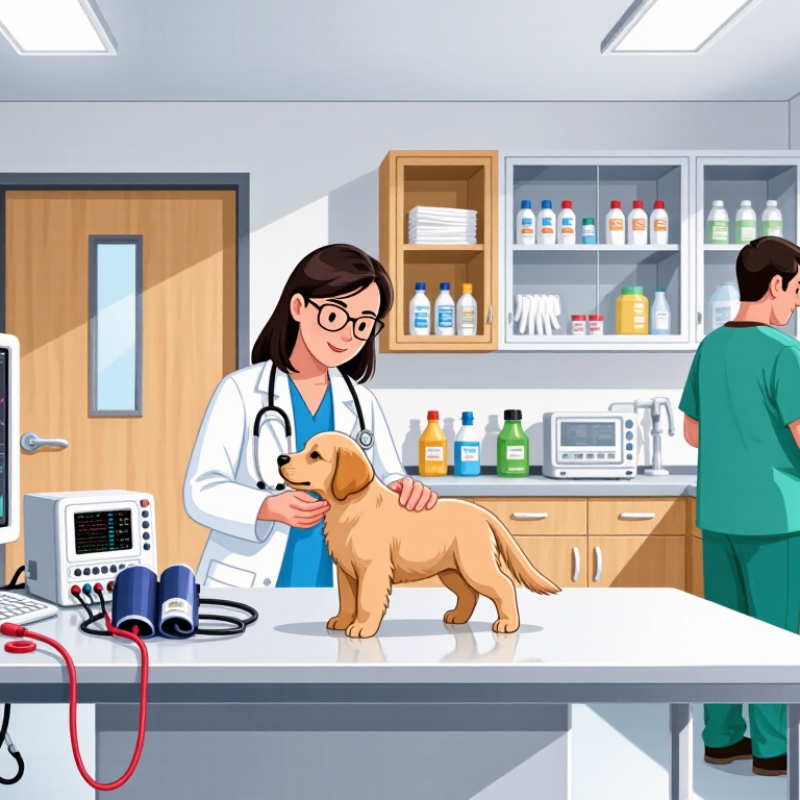
7 Tips for Reliable and Safe Veterinary Equipment?

Define Safety Standards for Veterinary Equipment

Define safety standards for veterinary equipment before purchasing or installing anything. A standard should specify performance limits, inspection intervals, cleaning methods, alarms, and failure responses. ISO 14971 supports risk management, while IEC 60601-1 addresses safety and essential performance for applicable electrical equipment. For sterilization workflows, AAMI ST79 and ISO 17665 provide useful technical frameworks. They do not replace local veterinary requirements.

Use measurable acceptance criteria. A monitor should show accuracy range, battery endurance, alarm audibility, and calibration status. A surgical table needs load testing, stable locking, and an emergency lowering procedure. Record serial numbers, service dates, and failed checks.

The U.S. Bureau of Labor Statistics reported 2.6 million nonfatal workplace injuries and illnesses in private industry during 2023. That figure is not veterinary-specific, but it highlights equipment hazards. “It still works” is not a safety test.

Cleaning deserves equal attention. AAHA infection-control guidance emphasizes written protocols, staff training, and separated clean and contaminated workflows. WHO’s Global Patient Safety Report 2024 estimates that one in ten patients experiences harm in healthcare, with more than half preventable. This is a human-health estimate, not a veterinary rate.

In practice, a damp cable connector, unreadable label, or rushed pre-use check can defeat an excellent standard.

I would review incident logs quarterly. Our first checklist is rarely complete.

Assess Equipment Quality, Compatibility, and Intended Use

Reliable veterinary equipment starts with intended use, not appearance. A polished monitor may still fail under heat, moisture, or continuous operation. Match the device to species, patient weight, procedure, and clinical setting. Check oxygen flow ranges, connector sizes, electrical load, cleaning chemicals, and sterilization limits. Compatibility must include accessories, software, tubing, batteries, and emergency power.

Quality evidence should be specific. Request calibration records, maintenance history, user instructions, and documented testing. Inspect seals, cables, wheels, alarms, and display readability under dim light. Confirm the equipment meets relevant safety standards and has traceable service support.

The World Health Organization’s 2021 Global Patient Safety Action Plan reports that about one in ten patients experiences harm in healthcare, with more than half considered preventable. Veterinary teams should treat equipment selection as a risk-control decision, even when animal data are less extensive.

Use a written pre-purchase checklist. Verify weight limits. Test alarm volume. Simulate a power interruption. Confirm staff training and cleaning workflow. The FDA’s Medical Device Reporting program has received more than one million reports in several recent years, including malfunctions and injuries across healthcare devices. Those figures are not veterinary-specific, but they show why incident tracking matters.

Record near misses, not only failures. A clean casing can mislead. I would still question whether the device fits the actual room, workload, and patient population. Overlooking that detail remains an easy mistake.

Establish Proper Installation and Calibration Procedures

Reliable veterinary equipment begins with disciplined installation, not a successful power-on test. A level imaging table, grounded outlet, stable network connection, and clean workspace prevent small faults from becoming clinical risks. The World Health Organization’s Global Patient Safety Action Plan reports that one in ten patients experiences harm in healthcare, with more than half considered preventable. Veterinary teams should apply this warning carefully, even though the report focuses on human healthcare.

Tip: Build a site-readiness checklist.

Record room temperature, humidity, electrical supply, equipment clearance, and emergency shut-off access. Ask the installer to document serial numbers, software versions, acceptance tests, and operator training. Calibration must follow the manufacturer’s technical specifications and a traceable reference standard. ISO/IEC 17025 principles support competent testing, documented methods, and traceable measurement results.

Tip: Calibrate before clinical use.

Verify image quality, dose indicators, scales, temperature readings, pressure values, or laboratory results against known standards. Repeat critical checks after relocation, repair, software updates, or unusual readings. A device can appear normal while drifting outside tolerance. That is easy to miss.

Tip: Make records visible.

Keep calibration certificates beside the maintenance log, not in an unknown folder. Label the next due date on the device. A 2023 ECRI technology-risk review emphasized that weak maintenance processes can create hidden equipment hazards. One practical weakness remains common: teams sometimes approve installation before testing accessories under real workload. Simulated checks are useful, but actual workflow may reveal cable strain, poor visibility, or confusing alarms. Teams should challenge their own checklist regularly.

7 Tips for Reliable and Safe Veterinary Equipment: Establish Proper Installation and Calibration Procedures

This preventive-maintenance schedule shows commonly used verification intervals for veterinary equipment. Actual requirements should follow the equipment manufacturer’s instructions, applicable regulations, and the facility’s risk assessment. Documenting installation checks and calibration results helps maintain measurement accuracy, patient safety, and traceability.

Apply Routine Cleaning, Maintenance, and Inspection

Reliable veterinary equipment begins with disciplined cleaning, maintenance, and inspection. After every patient, remove hair, blood, saline, and organic residue before disinfection. Respect the label’s contact time. A wet surface matters. Wipe table seams, scale platforms, infusion pumps, kennel doors, and handpieces separately. Use clean water on surfaces that contact tissue. Residue can damage equipment and compromise patient care.

The World Health Organization’s Global Guidelines for Surgical Site Infection Prevention reports surgical-site infections in up to 11% of surgical patients in low- and middle-income countries. This human-health figure is not a veterinary rate, but it shows why decontamination deserves measurable control.

Assign one person to verify cleaning logs, then have another person inspect the result. Check cracked cables, loose casters, damaged seals, blocked filters, and inaccurate temperature displays. Small faults rarely stay small.

Follow the manufacturer’s service interval, but do not wait for failure. Calibrate scales, monitors, and thermometers against documented standards. Replace worn parts before they affect treatment. The CDC’s 2023 National Healthcare Safety Network report also emphasizes standardized surveillance for equipment-associated risks. Veterinary teams can apply the same discipline.

Record the date, staff member, finding, and corrective action. Training should include a visibly dirty device, not just a clean example. A perfect checklist is unrealistic. Our weak point is often the rushed final inspection.

Remove questionable equipment from use until a qualified technician evaluates it.

Train Veterinary Staff and Document Equipment Performance

Reliable veterinary equipment depends on trained people, not only advanced machines. In a busy treatment room, staff should practice daily checks before using monitors, infusion pumps, or surgical lights. They should confirm cables, alarms, batteries, settings, and visible damage. A short hands-on drill can reveal problems that written instructions miss. Keep the process practical.

Training should match each person’s role and experience. New staff can learn through supervised demonstrations, while experienced technicians benefit from refresher drills. Ask them to explain alarm responses aloud. Then let them perform the steps using real equipment.

Record attendance, skill checks, and questions raised during training. Some staff may understand the theory but hesitate during an emergency. That gap deserves attention.

Equipment records should show inspection dates, cleaning details, faults, repairs, and performance checks. Include the device’s location and the staff member who completed each entry. For example, a monitor log might note a loose sensor cable, an inaccurate reading, and the action taken. Review these records regularly for repeated failures. A simple spreadsheet or paper log can work if entries remain clear and secure.

Our process was not perfect at first. Staff sometimes forgot to document minor problems because the equipment still worked. That habit can hide developing risks.

Supervisors should review logs during team meetings and update procedures when repeated issues appear. Keep training records near the maintenance schedule, so knowledge and equipment history remain connected.

FAQS

What should be checked before installing veterinary equipment?

Confirm a level table, grounded outlet, stable network, and clear workspace. Record room temperature and humidity. Check emergency shut-off access.

Why is calibration necessary before clinical use?

Calibration compares readings with known standards. Check scales, temperatures, pressure values, dose indicators, and laboratory results. Normal appearance proves little.

When should equipment be recalibrated?

Repeat checks after relocation, repairs, software updates, or unusual readings. Keep certificates beside the maintenance log. Label the next due date.

How should veterinary equipment be cleaned after patient use?

Remove hair, blood, saline, and organic residue after every patient. Respect the disinfectant contact time. Wipe seams and platforms separately.

What should routine inspections look for?

Check cracked cables, loose casters, damaged seals, blocked filters, and inaccurate displays. Inspect infusion pumps, kennel doors, handpieces, and table surfaces.

How can a clinic reduce missed maintenance problems?

One person should verify cleaning records. Another should inspect the result. Record dates, findings, staff names, and corrective actions.

What should staff practice during equipment training?

Staff should check cables, alarms, batteries, settings, and visible damage. They should explain alarm responses aloud, then practice on real equipment.

What information belongs in an equipment performance log?

Include location, inspection date, cleaning details, faults, repairs, and performance checks. A loose sensor cable deserves a clear note.

How should supervisors improve equipment safety over time?

Review logs during team meetings and identify repeated failures. Update procedures when patterns appear. Our checklist was not perfect. That needs attention.

Conclusion

Reliable and safe veterinary equipment begins with clear safety standards that protect both animals and veterinary professionals. Understanding what makes veterinary equipment reliable and safe involves evaluating its quality, durability, compatibility with existing systems, and suitability for its intended clinical purpose. Before use, each device should be installed according to documented procedures, calibrated accurately, and tested to confirm that it performs consistently under normal operating conditions. These steps help reduce errors and support dependable patient care.

Safety also depends on ongoing attention after installation. Veterinary teams should follow routine cleaning and disinfection schedules, complete preventive maintenance, and inspect equipment regularly for wear, damage, or performance changes. Staff training is equally important, ensuring that users understand correct operation, basic troubleshooting, and emergency procedures. Finally, maintaining accurate records of inspections, calibration, repairs, and equipment performance creates accountability and helps identify potential problems early. Together, these practices promote a safer, more efficient, and more dependable veterinary working environment.

Mason

Mason

Mason is a seasoned marketing professional with a deep expertise in the company's offerings and a passion for driving brand awareness. With a strong background in digital marketing strategies, he has an innate ability to connect with diverse audiences and effectively communicate product benefits.......