How to Overcome Common Animal Healthcare Challenges in 2026?

Time:2026-09-19 Author:Oliver
0%

Animal healthcare is entering 2026 under intense pressure. Clinics face rising costs, staffing shortages, drug supply disruptions, and more complex cases. Pet owners expect faster answers, while livestock producers need practical, affordable protection. Wildlife teams face another reality: limited monitoring, difficult terrain, and delayed treatment. These pressures affect animal welfare and public health together.

So, what are common challenges in animal healthcare? The answer includes late diagnosis, uneven access to veterinary services, antimicrobial resistance, preventable disease, and incomplete medical records. A coughing dog may need a simple test, not an expensive treatment guess. A calf with diarrhea may require fluid support, sanitation changes, and careful monitoring. Small details often change outcomes.

Reliable solutions must combine clinical experience, current research, responsible technology, and clear communication. Telemedicine can support remote advice, but it cannot replace a physical examination in every case. Artificial intelligence may highlight risks, yet poor data can produce poor recommendations. That limitation matters. Human judgment remains essential.

This guide examines practical ways to overcome these challenges in 2026. It considers preventive care, stronger diagnostic workflows, workforce training, ethical data use, and better cooperation between veterinarians, owners, farmers, laboratories, and public agencies. Progress will not look perfect. Some plans will fail during busy mornings or sudden outbreaks. Learning from those failures may be the most valuable improvement.кент
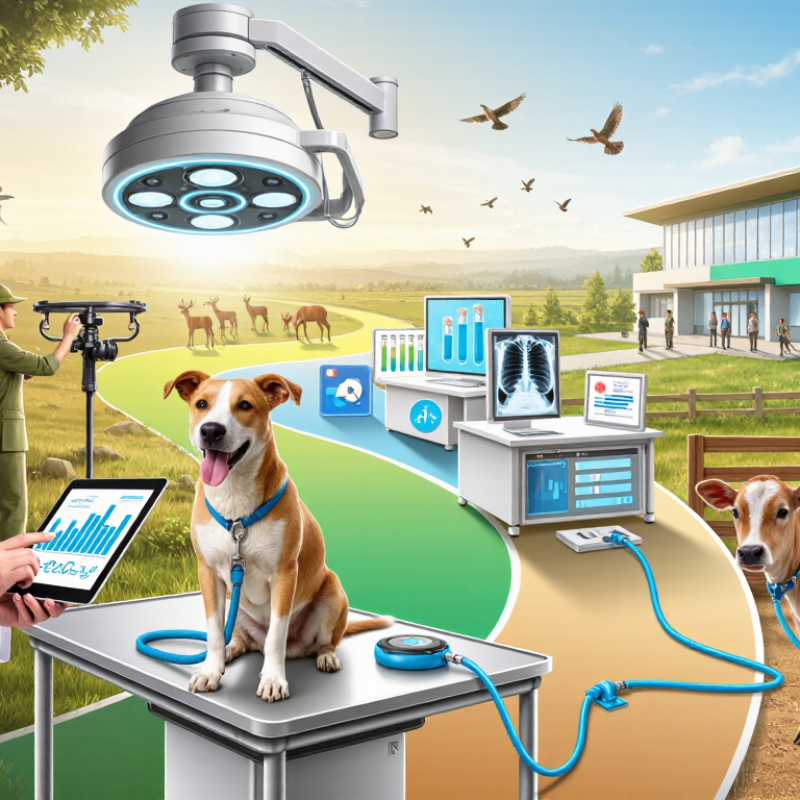
How to Overcome Common Animal Healthcare Challenges in 2026?

Assess Livestock Disease Losses: FAO Estimates Up to 20% of Output Is Lost

How to Overcome Common Animal Healthcare Challenges in 2026?

Livestock disease is not only a veterinary concern. It can reduce income, food availability, and farm stability. The FAO has estimated that animal diseases may cause losses of up to 20% of global livestock production. The figure is an estimate, not a fixed result for every farm. Yet it shows the scale of the problem. A coughing calf, lower milk yield, or sudden deaths can signal wider risks. Early reporting matters.

Tips: Keep daily health records. Note feed intake, temperature, movement, and production changes. Isolate visibly sick animals quickly, but seek veterinary guidance before using treatments. Review vaccination schedules with a qualified professional. Clean water points and shared equipment regularly. Control visitors and inspect newly purchased animals before mixing them with the herd. Small gaps can become costly.

Prevention often costs less than emergency treatment, though this is not always easy for small producers. Limited staff, weak infrastructure, and delayed diagnosis remain common barriers. A practical plan should match local disease patterns and available resources. Ask a veterinarian to review the plan at least yearly. Test assumptions. A clean shed can still spread infection through boots, transport crates, or contaminated hands. No checklist works perfectly. Farmers and advisers must learn from missed signs, unexpected losses, and records that do not match reality.

Map Zoonotic Threats: WHO Says 60% of Emerging Infections Are Animal-Origin

Animal healthcare in 2026 must begin beyond the clinic door. The World Health Organization says about 60% of emerging infections are animal-origin. This figure changes how farms, shelters, laboratories, and households assess risk. A fever in a goat, coughing birds, or sudden rodent activity can signal a wider problem. Small clues matter.

Practical mapping starts with location, species, movement, and symptoms. Record where animals live, what they contact, and when illness appears. Connect veterinary reports with public health and environmental observations. Use local sampling plans guided by trained professionals and validated laboratory methods. Do not rely on one alarming test. Confirm results, protect personal data, and document uncertainty. Field teams should use suitable protective equipment and follow official guidance.

Experience shows that maps fail when updates stop. A dashboard may look precise while missing backyard animals or wildlife contact. That gap matters. Review risk zones after flooding, heatwaves, transport changes, or unusual deaths. Share clear alerts with animal owners, clinicians, and community leaders. Yet surveillance is not perfect; limited funding and delayed reporting can distort the picture. I would treat every map as a working hypothesis, not a final answer. Better questions often prevent bigger losses.

Address Antimicrobial Resistance: FDA Reports a 36% Drop in U.S. Livestock Antibiotic Sales

How to Overcome Common Animal Healthcare Challenges in 2026?

Antimicrobial resistance remains a serious livestock healthcare challenge. The FDA reported a 36% drop in U.S. livestock antibiotic sales. This decline suggests that producers are using medicines more carefully. However, lower sales do not prove that resistance has disappeared. Farms still need accurate diagnosis, veterinary oversight, and complete treatment records. Guessing during an outbreak can delay recovery and increase unnecessary exposure.

A practical approach begins with prevention. Clean water systems, dry bedding, proper ventilation, and controlled animal movement reduce infection pressure. Vaccination plans should reflect local disease risks and herd history. Diagnostic testing can identify whether antibiotics are needed at all. In busy facilities, small recordkeeping gaps can weaken an otherwise strong program. That is worth admitting.

Tips:

Separate sick animals early, but avoid unnecessary isolation stress. Record symptoms, test results, medicine use, and recovery times. Follow the prescribed dose and duration exactly. Review these records with a qualified veterinarian each season. Train workers to report coughing, diarrhea, lameness, or reduced feeding quickly. Use targeted treatment instead of treating every animal by default. Small changes matter. Resistant infections can spread quietly. Regular reviews help reveal patterns before they become expensive problems.

Prioritize Vaccination and Biosecurity: WOAH Identifies Prevention as a Core Control

How to Overcome Common Animal Healthcare Challenges in 2026?

Animal healthcare in 2026 will depend more on prevention than emergency treatment. The World Organisation for Animal Health (WOAH) identifies vaccination and biosecurity as core disease-control measures. The Food and Agriculture Organization (FAO) reports that animal diseases can reduce global livestock production by up to 20%. That loss affects farm income, food availability, and animal welfare. A vaccine plan should match local disease risks, animal age, immune status, and movement patterns. It should also include accurate records and timely booster doses.

Tips: Store vaccines within the required temperature range. Check refrigerator temperatures daily. Isolate newly arrived animals before mixing them with the main group. Clean boots, tools, vehicles, and feeding equipment between units. Train workers to notice coughing, diarrhea, reduced feeding, or unusual deaths. Small signs matter.

Biosecurity often fails during busy periods. A broken gate, shared needle, or rushed cleaning routine can undermine a strong plan. WOAH guidance emphasizes surveillance, traceability, hygiene, and rapid reporting alongside vaccination. Farms and veterinary teams should review these controls after every disease event. They should also test emergency procedures before a crisis occurs. No system is perfect. Human habits remain the difficult part. Regular audits can expose weak points before infection spreads.

Expand Accessible Care: APPA Reports 66% of U.S. Households Owned Pets in 2023–24

How to Overcome Common Animal Healthcare Challenges in 2026?

APPA reports that 66% of U.S. households owned pets in 2023–24. That equals roughly 86.9 million homes needing dependable veterinary support. The number is significant. It also exposes a difficult gap: ownership is widespread, but affordable care remains uneven. APPA recorded U.S. pet industry spending of about $147 billion in 2023. Rising costs can still delay examinations, dental care, and preventive treatments. A healthy market does not guarantee equal access.

Veterinary teams can improve access through transparent estimates, staged treatment plans, and telehealth screening where appropriate. The U.S. Bureau of Labor Statistics projects 20% employment growth for veterinarians from 2022 to 2032. More professionals may help, but staffing alone will not solve transportation, scheduling, or affordability barriers. In practice, a pet owner may choose between a same-day appointment and an unpaid bill. That choice needs compassion, not judgment. Some clinics still explain medical options too quickly. That deserves honest reflection.

Tips: Offer plain-language care plans before treatment begins. Reserve limited appointments for urgent cases. Use reminder texts for vaccines and parasite prevention. Ask about budget concerns privately. Keep follow-up instructions short. Small changes matter. Track missed appointments, delayed treatments, and repeat emergencies each quarter. These figures reveal whether access is improving or merely appearing improved.

FAQS

Why is antimicrobial resistance still a livestock healthcare concern?

A 36% decline in antibiotic sales suggests more careful use. It does not prove resistance has disappeared. Accurate diagnosis and veterinary oversight remain essential.

How can farms reduce infection pressure before treatment is needed?

Keep water systems clean, bedding dry, and ventilation steady. Control animal movement and separate sick animals early. Small changes matter.

What records should livestock producers maintain?

Record symptoms, test results, medicine doses, treatment duration, and recovery times. Review these records with a qualified veterinarian each season. Missing details can hide repeated problems.

When should antibiotics be used?

Use diagnostic testing when possible. Treat only when clinical findings support treatment. Follow the prescribed dose and duration exactly.

Which vaccination practices support stronger disease prevention?

Match vaccines with local risks, animal age, immune status, and movement patterns. Store them at the required temperature. Check refrigerator temperatures daily.

What biosecurity steps are practical during daily farm work?

Clean boots, tools, vehicles, and feeding equipment between animal units. Isolate newly arrived animals before mixing them. A broken gate can undermine the whole plan.

How can caregivers notice animal illness earlier?

Train workers to report coughing, diarrhea, lameness, reduced feeding, or unusual deaths quickly. Record the time and affected group. Quiet signs still matter.

Why can pet healthcare remain difficult despite widespread ownership?

About 66% of households owned pets during 2023–24, yet affordable care remains uneven. Rising costs may delay examinations, dental care, and prevention. A healthy market does not guarantee equal access.

How can veterinary clinics improve access for pet owners?

Provide plain-language estimates, staged treatment plans, and short follow-up instructions. Offer telehealth screening when appropriate. Ask about budget concerns privately.

How can clinics discover whether access is truly improving?

Track missed appointments, delayed treatments, and repeat emergencies each quarter. Reserve urgent appointments for serious cases. Our assumptions may be wrong.

Conclusion

Animal healthcare in 2026 will continue to face several interconnected challenges. A major concern is livestock disease, which can reduce production by as much as 20% and create serious economic pressure for farmers and food systems. Another challenge is the growing risk of zoonotic disease, as many emerging infections originate in animals and may spread between species. Antimicrobial resistance also requires careful attention, making responsible medicine use and stronger disease prevention increasingly important.

So, what are common challenges in animal healthcare? They include disease-related losses, zoonotic threats, drug resistance, limited preventive measures, and unequal access to veterinary services. Vaccination, improved hygiene, effective farm biosecurity, and early detection can reduce these risks. At the same time, expanding affordable and accessible care is essential, especially as pet ownership continues to grow. A coordinated approach involving owners, farmers, veterinarians, and public health professionals will help protect animal wellbeing and support healthier communities.

Oliver

Oliver

Oliver is a seasoned marketing professional with a wealth of expertise in driving brand awareness and engagement. With a deep understanding of our company's product offerings, he consistently delivers high-quality content that enriches our professional blog. His insights not only shed light on......